Impacts – Social
Humans Behind the Tragedy
The 1996 flood profoundly disrupted the lives of the region's inhabitants. Within hours, entire neighbourhoods were flooded, roads collapsed, and hundreds of families had to be evacuated urgently. Beyond the considerable material damage, these events caused significant human repercussions marked by ten deaths, the loss of homes, the anguish of the victims and the unprecedented mobilization of emergency services. But despite the scale of the disaster, the solidarity and resilience of the communities made it possible to avoid an even heavier human toll.
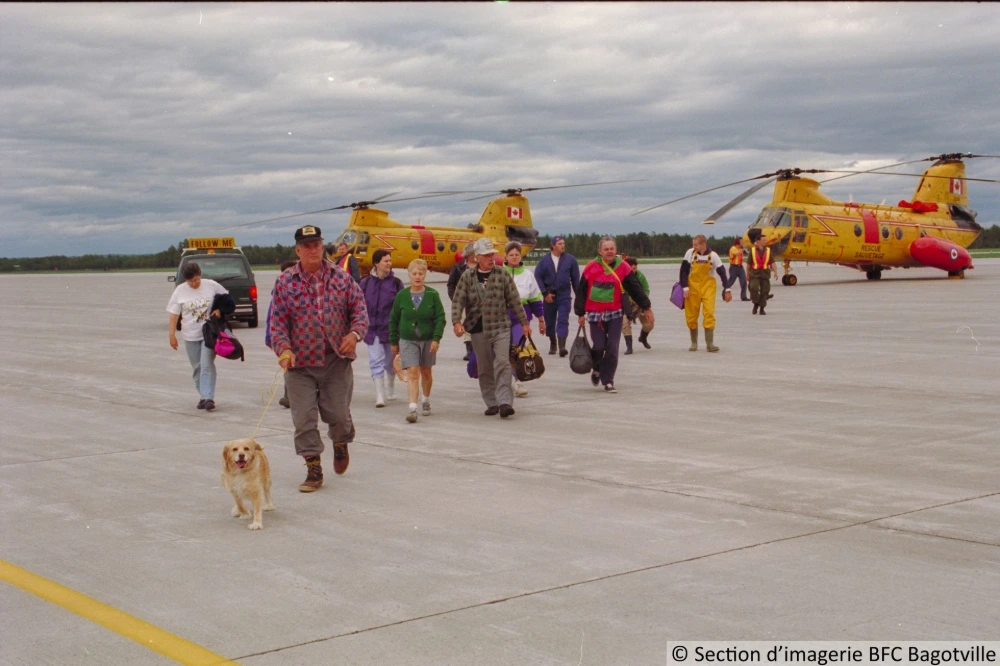
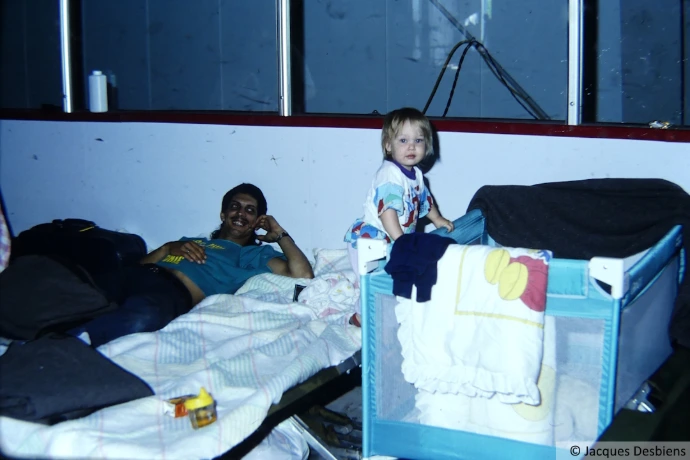
Thousands of people were forced to leave their homes in a hurry, experiencing traumatic stress. Many feared losing their possessions or being injured. In the hastily constructed shelters, sadness and anxiety prevailed: it was impossible for them to know when they could return or what they would find upon their return...
Helping Disaster Victims
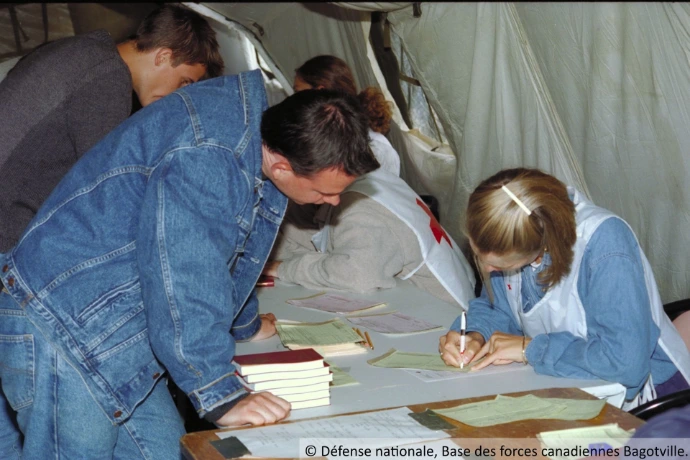
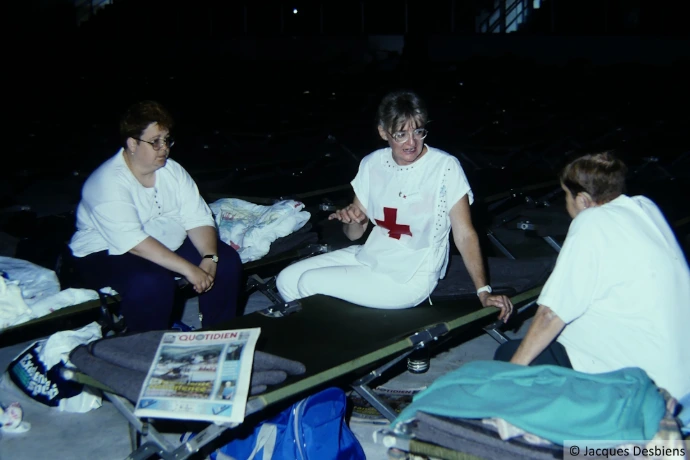
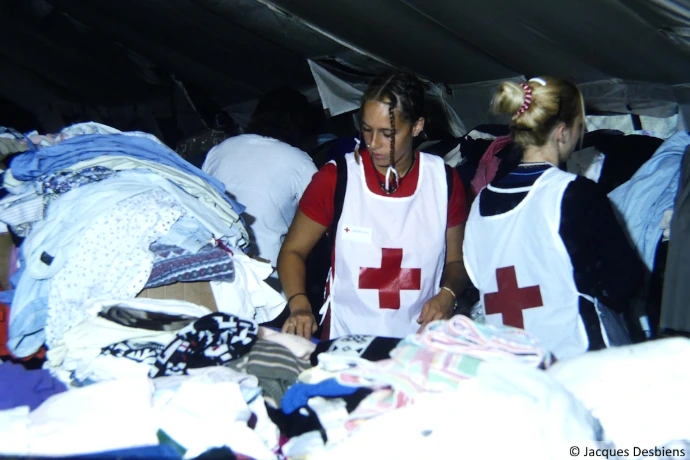
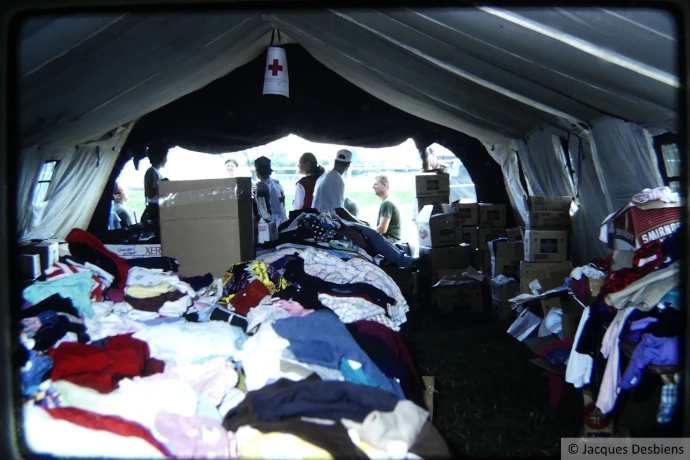
During the 1996 Saguenay flood, the Red Cross deployed the largest intervention in its Quebec history at the request of local authorities and the government. In response to the flash floods, assistance was provided to nearly 19,000 people, supported by over 1,700 volunteers who were swiftly mobilized.
In a context marked by anxiety, uncertainty and the loss of thousands of homes, the organization offered shelter, food, clothing and emotional support to the victims. Their intervention also sparked a huge outpouring of solidarity across the country, reminding victims that they were not alone in this terrible ordeal.
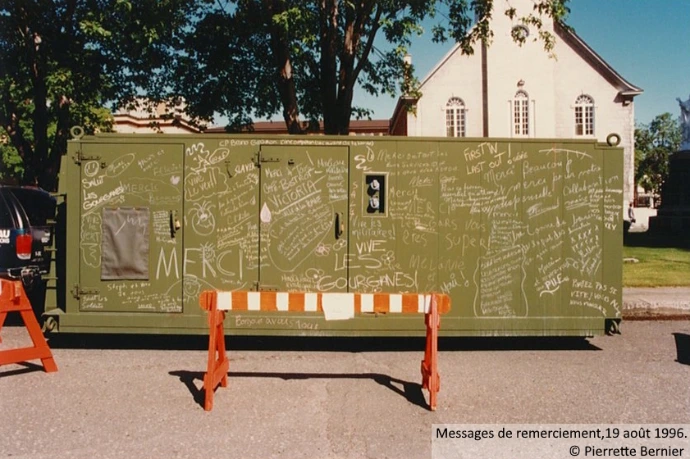
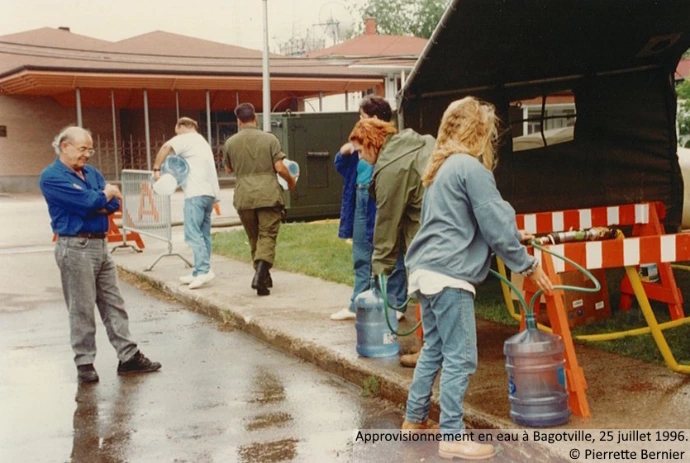
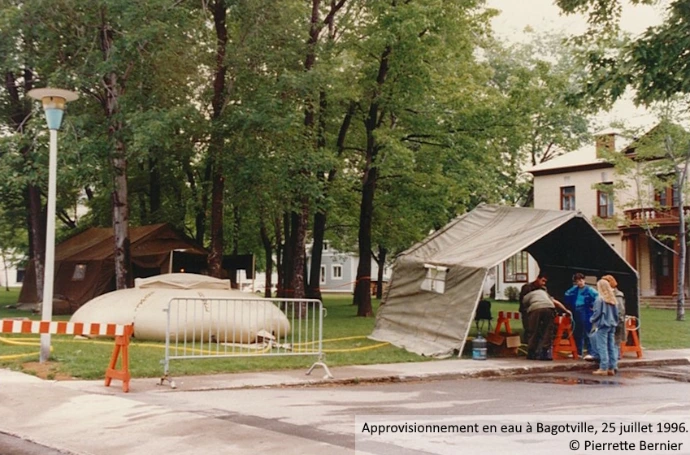
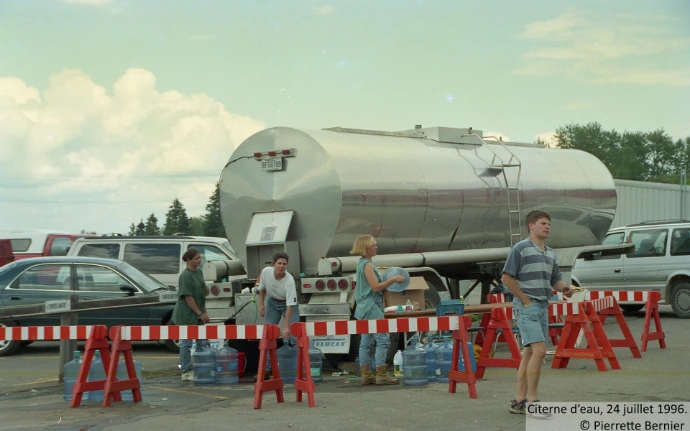
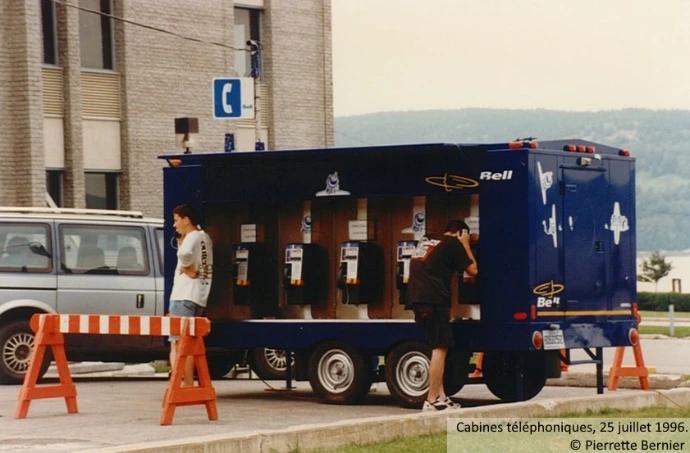
An Employee and a Red Cross Volunteer Remember with Emotion this Intervention that Left a Lasting Impression on Them.
https://www.croixrouge.ca/blogue/2021/7/on-se-souvient-du-deluge-du-saguenay-il-y-a-25-ans
A Fundraising Campaign of Nearly 30 Million Dollars
After the 1996 Saguenay flood, a major fundraising campaign was organized to help the thousands of flood victims. The Canadian Red Cross quickly established a special solidarity fund, mobilizing donations from across the country. In just a few months, more than $27.5 million was raised, an amount that will eventually reach $29.2 million to support affected families. This outpouring of generosity has made it possible to provide essential financial support, particularly for basic needs, accommodation and reconstruction, demonstrating the remarkable solidarity of citizens towards the tried and tested region.
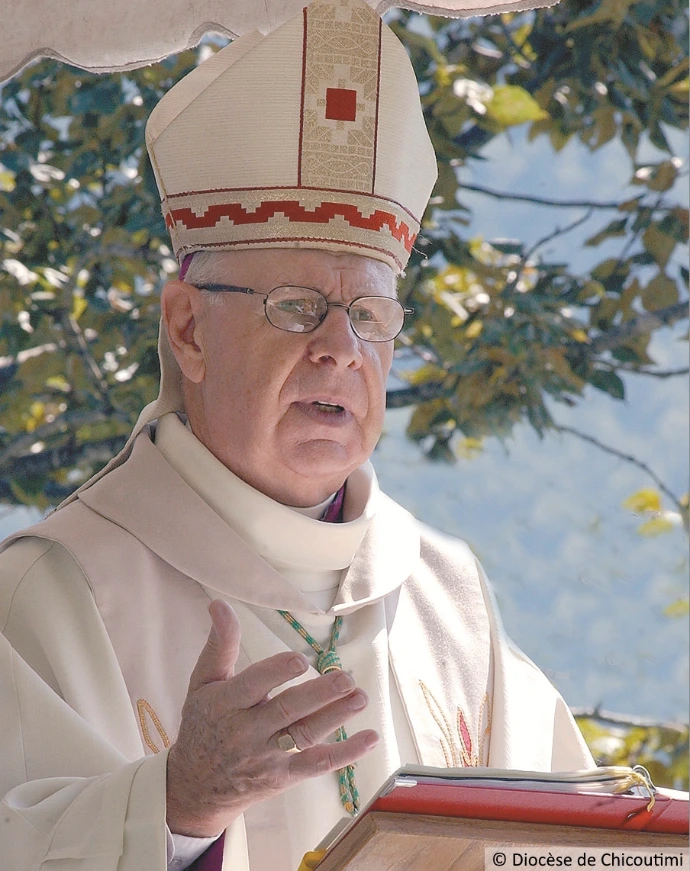
"Mgr. Couture, Bishop of Chicoutimi, chairs the special fund Le don de la solidarité (The Gift of Solidarity), managed by a board of directors made up of victims of the disaster and government representatives. The goal was to raise two million dollars for the flood victims. Twenty-nine were to be collected! »
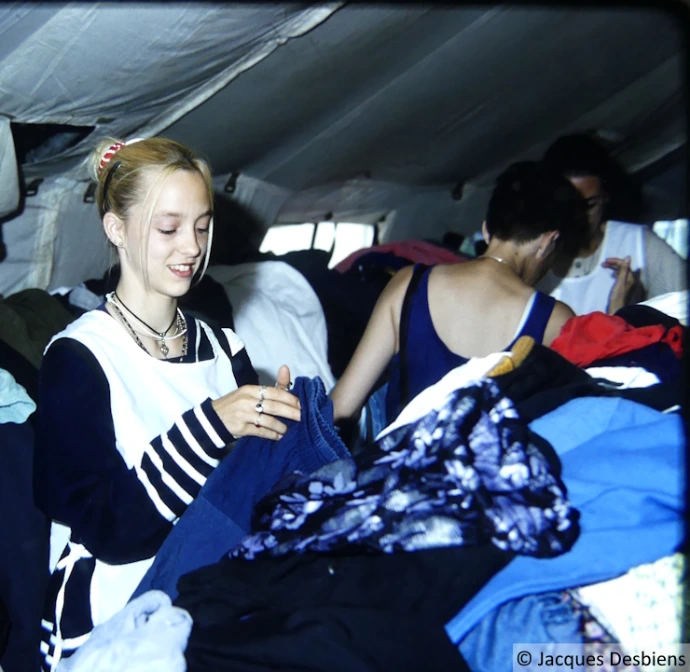
Despite everything, solidarity played an important role. Volunteers, neighbours and even people from other areas came to help, which brought comfort and a sense of security to those who had just lost everything.
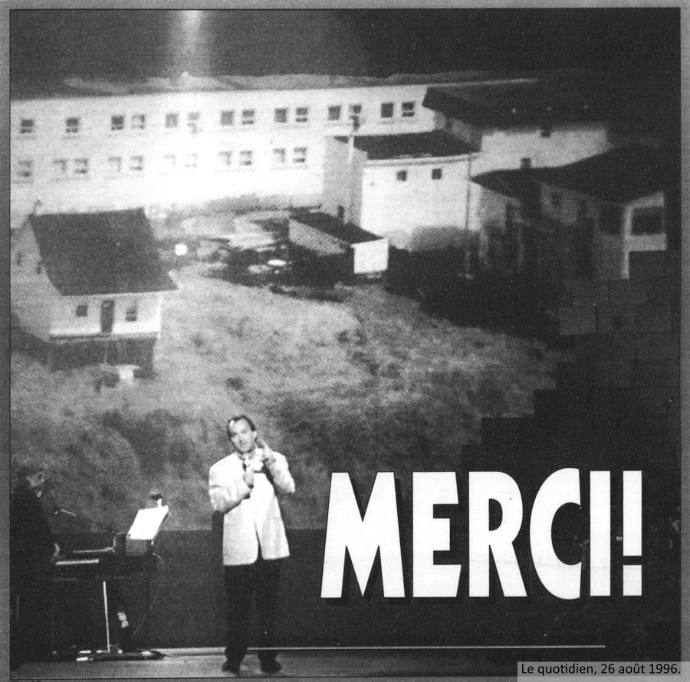
A
large-scale production titled De
concert avec le Saguenay (concert for the Saguenay) was held on
August 25, 1996, at the Molson Centre (now the Bell Centre). Many Quebec
artists participated to raise donations for the disaster fund. The event was
broadcast simultaneously on five networks: Radio-Canada, TVA, TQS,
Télé-Québec and TV5.
Bagotville Base to the Rescue
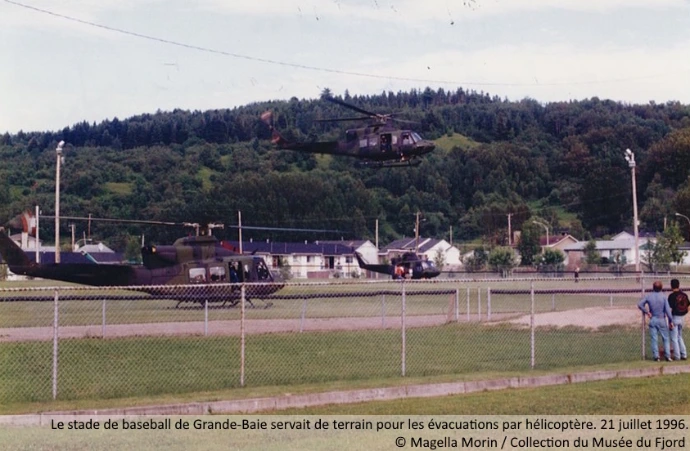
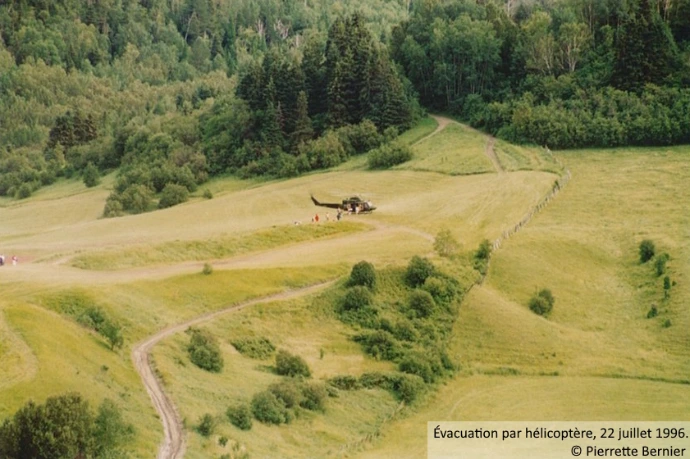
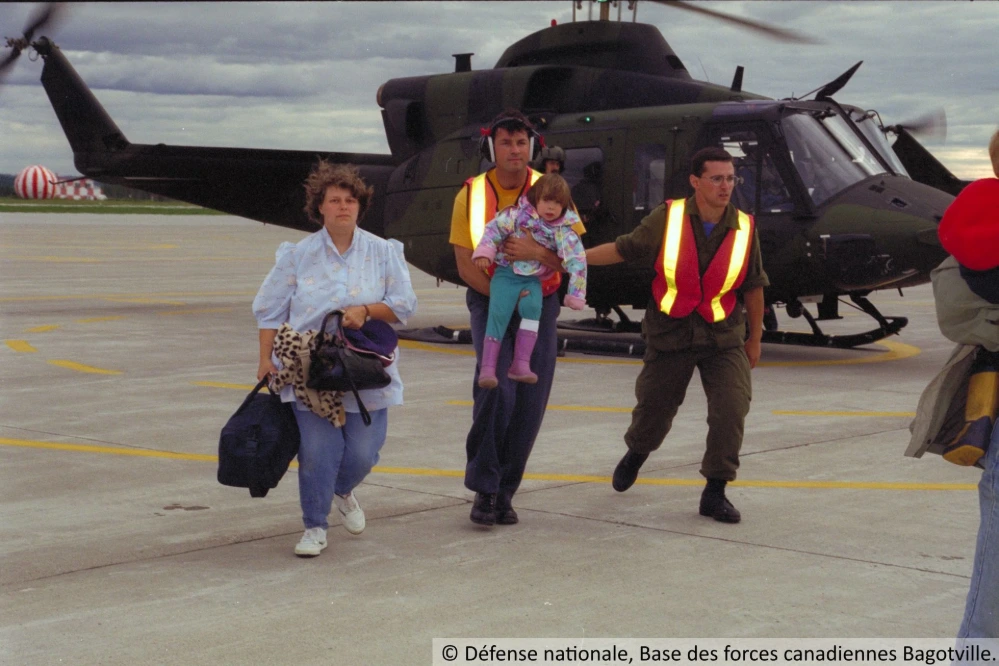
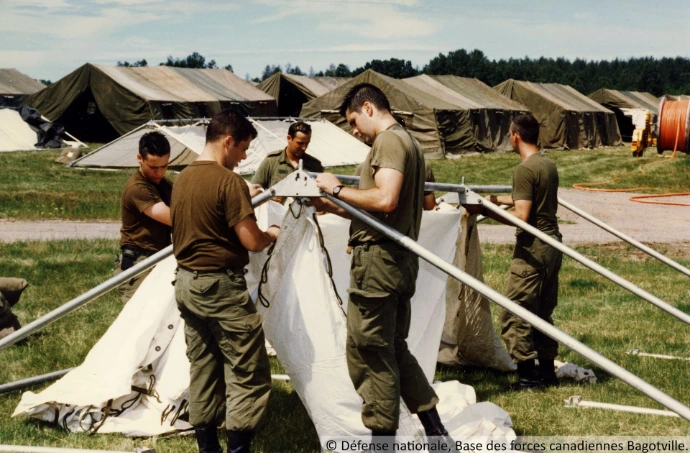
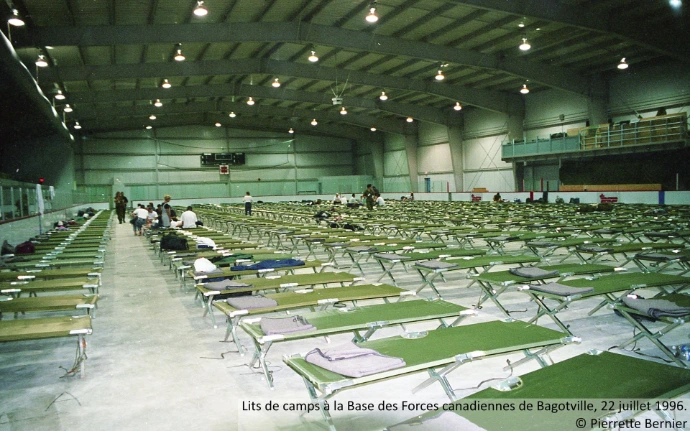
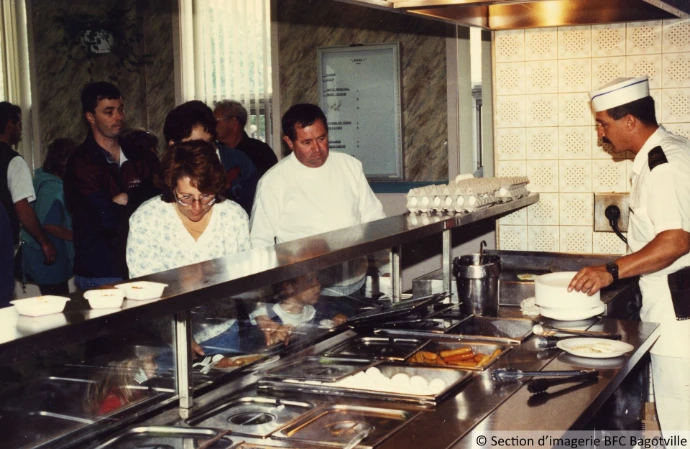
The Bagotville military base played a vital role during the flood. From the very beginning, search and rescue teams were dispatched to help those trapped by the floods. The military conducted about 750 helicopter rescue missions, rescuing isolated families throughout the region. The base then became a massive shelter: more than 3,000 disaster victims sought refuge there. Thanks to their organization and quick response, the teams in Bagotville were a great help to the community in weathering this disaster.
When Waters Claim Lives
The Saguenay flood of July 1996 had a profound impact on the population, primarily because of the ten deaths it claimed. Among these victims were two children in La Baie, in Saguenay, and five car drivers on Côte-Nord, swept away by the violence of the waters and the collapse of roads and infrastructure. This loss of life is a reminder of the exceptional intensity of the disaster that hit entire neighbourhoods in a few hours. For the families affected, these deaths have left indelible marks and contributed to making the flood one of the most tragic events in Quebec's recent history.
I saw the flood
Production of Musée du Fjord, 2006
(18:08 minutes)
Dark July
Production of Musée du Fjord, 1997
(22:34 minutes)
← Previous theme Return to home page Next theme →
3346 Boul. Grande-Baie Sud, G7B 1G2 | Ville de Saguenay | Québec, Canada